

ACEc Auxiliary Classic Electrode Conic
ACEc is a glass tube with platinum plate wire.
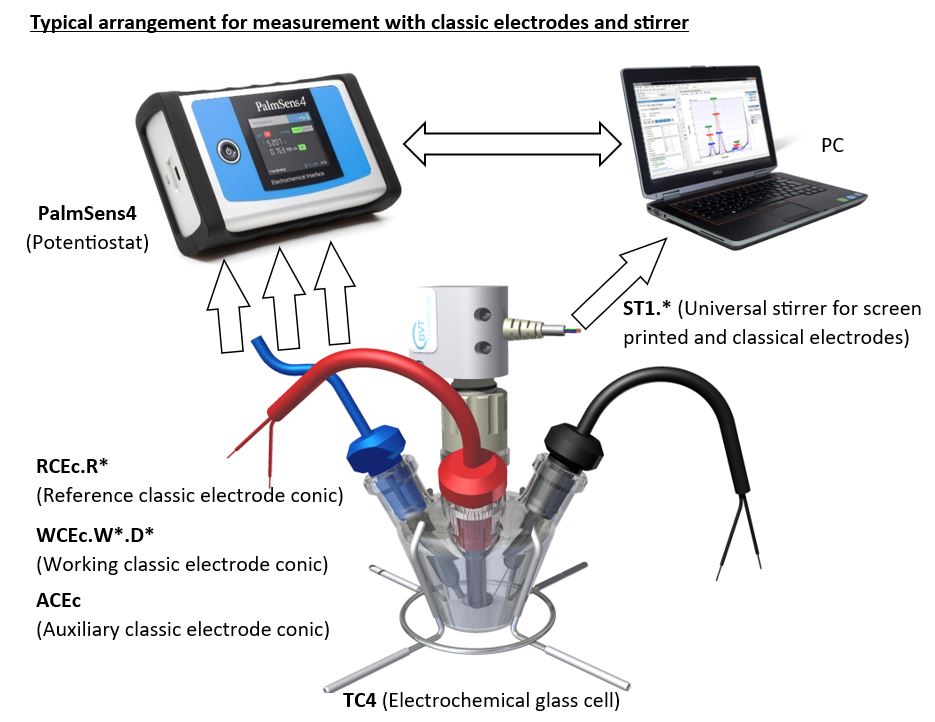
Standard connection is with a 2 mm banana plug. Auxiliary classic electrode (ACEc) is designed for measurements with thermostated cell TC4, TC5, TC6, TC9.
You may also like…
-
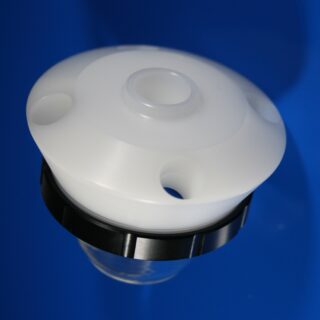
TC6 Electrochemical Glass Cell
Read moreBorosilicate glass cell serves for electrochemical measurements.
The analyzed solution can be thermostated by minithermostat MT1-1.
Cell openings are designed for electrochemical sensors connector KA1.C, classical electrodes WCEc, ACEc, RCEc and stirrer ST1, ST3 separately.
The device enables the measurement with inserted samples.
-
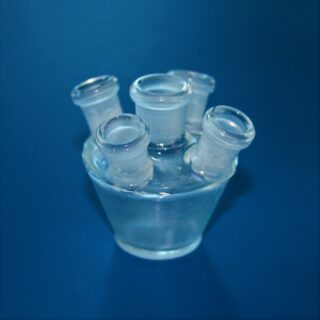
TC4 Electrochemical Glass Cell
Read moreSimple borosilicate glass cell serves for electrochemical measurements.
The temperature of the analyzed solution can be controlled when placing the cell in MT1-1 minithermostat.
Cell openings are designed for electrochemical sensors connector KA1.C, classical electrodes WCEc, ACEc, RCEc and stirrer ST1, ST3 separately.
-
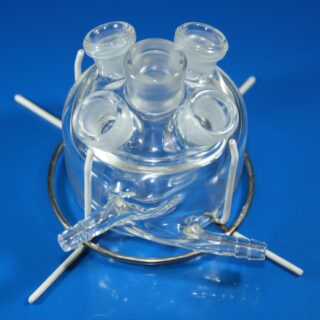
TC5 Electrochemical Glass Cell
Read moreBorosilicate glass cell serves for electrochemical measurements. The cell is jacketed.
The analyzed solution can be thermostated by external thermostat.
Cell openings are designed for electrochemical sensors connector KA1.C, classical electrodes WCEc, ACEc, RCEc and stirrer ST1, ST3 separately.
Related products
-
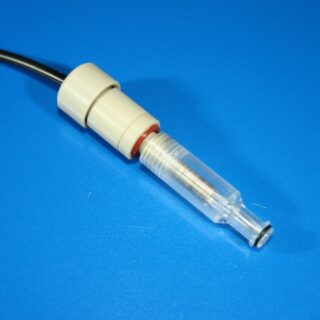
SOE.D*.E** Subminiature Oxygen Electrode
Read moreThe subminiature oxygen electrode consists of a PEEK body, platinum electrode, silver reference electrode and membrane holder.
The platinum electrode is melted in glass. The membrane holder with electrolyte is attached by thread. Subminiature oxygen electrode (SOE) is designed for measurements with thermostated cell TC4, TC5, TC6. It can be used for measurement in microtitration desk.
-
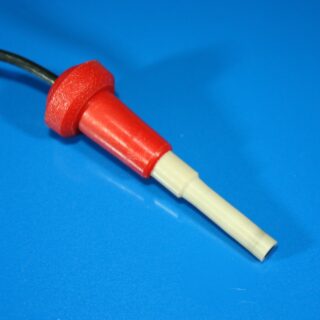
WCEc.W*.D* Working Classic Electrode Conic
Read moreWCEc is a glass tube with a Pt or Au (wire) or a peek tube with a compact glassy carbon inside.
Only the circle glossy area of the (Pt or Au) metal wire is outside the glass tube or the circular glossy area of compact glassy carbon is outside the plastic peek tube. Standard connection is with a 2 mm banana connector. Connector or banana plug colour is red. Working classic electrode (WCEc) is designed for measurements with TC4, TC5, TC6, TC9 glass cell.
-
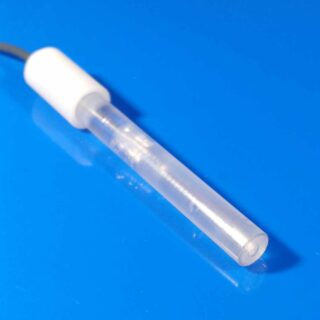
Mini RCE.GEL.L60.C1 Miniature reference argentochloride gel electrode
Read moreMiniature reference argentochloride gel electrode is designed for potentiometric measurements in connection with Miniature ion selective electrodes for potentiometric measurements of Chloride ions, Sodium ions, Calcium and Potassium ions concentration in aqueous solutions following prior calibration.
The conductive connection of the internal electrolyte (KCl gel) enclosed in a plastic tube is mediated by a porous frit.
Maintenance-free electrode – no need to top up the internal electrolyte (KCl gel).
Electrodes are applicable to all commonly used measuring apparatus, with input resistance of at least 1012 Ω.
Possibility of integration with a FC.1ISE.1REF Flow cell for single ion selective electrode with integrated stirring – possible automation and continuous measurement.
-
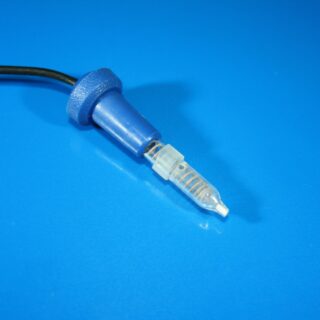
RCEc.R* Reference Classic Electrode Conic
Read moreRCEc is a glass hollow tube with silver or silver covered by silver chloride wire inside. The tube is hollow with the hole in the wall for inserting KCl solution.
Hole is covered by a rubber band. Reference classic electrode (RCEc) is designed for measurements with glass cell TC4, TC5, TC6, TC9.
Standard connection is with a 2 mm banana connector.
Connector or banana plug colour is blue.